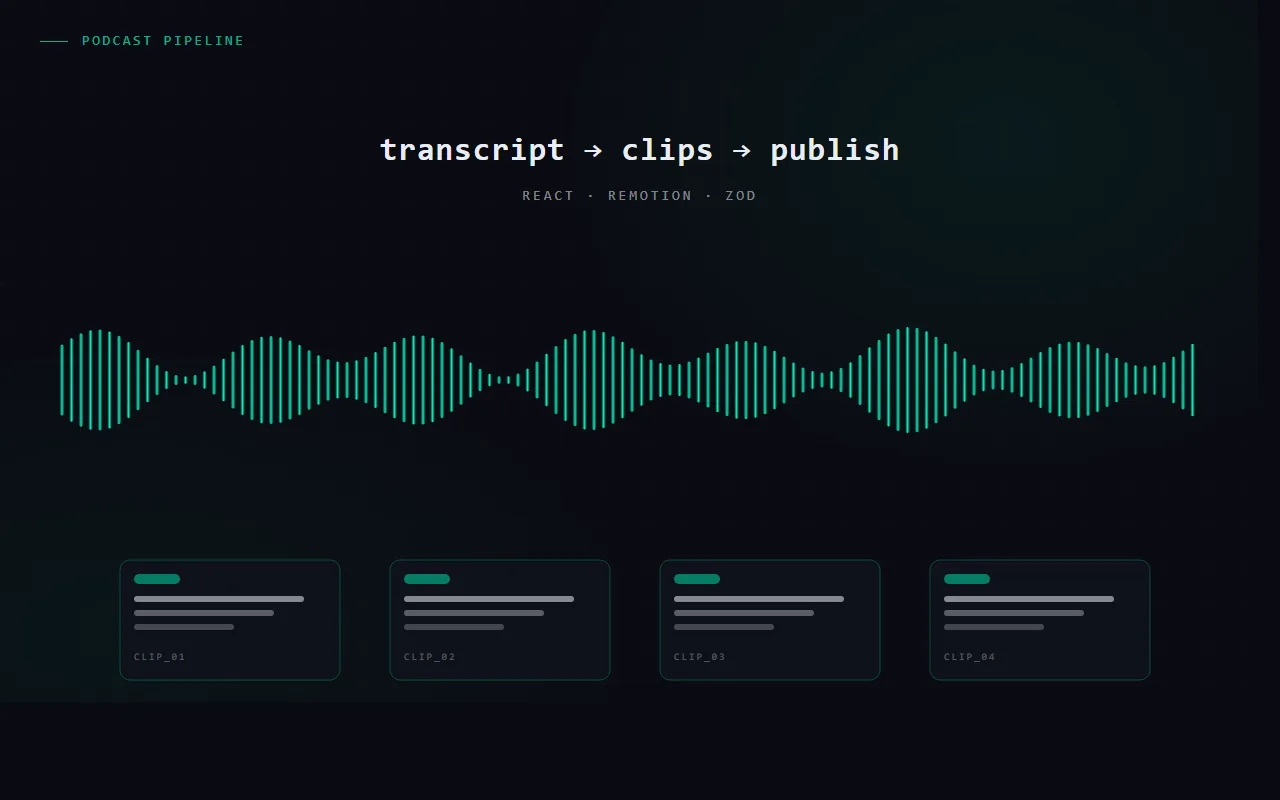
High Functioning Podcast
Help produce and engineer the show — booking, editing, captioning, packaging — and built the transcript-to-clips render pipeline that's let a two-person team support 80+ episodes and 304K+ lifetime views (and counting).
Media production systems first, then small focused web tools, then the earlier media and brand work that shaped them.
Podcast, caption, clip, analytics, and workflow tools built from real production problems.
Help produce and engineer the show — booking, editing, captioning, packaging — and built the transcript-to-clips render pipeline that's let a two-person team support 80+ episodes and 304K+ lifetime views (and counting).
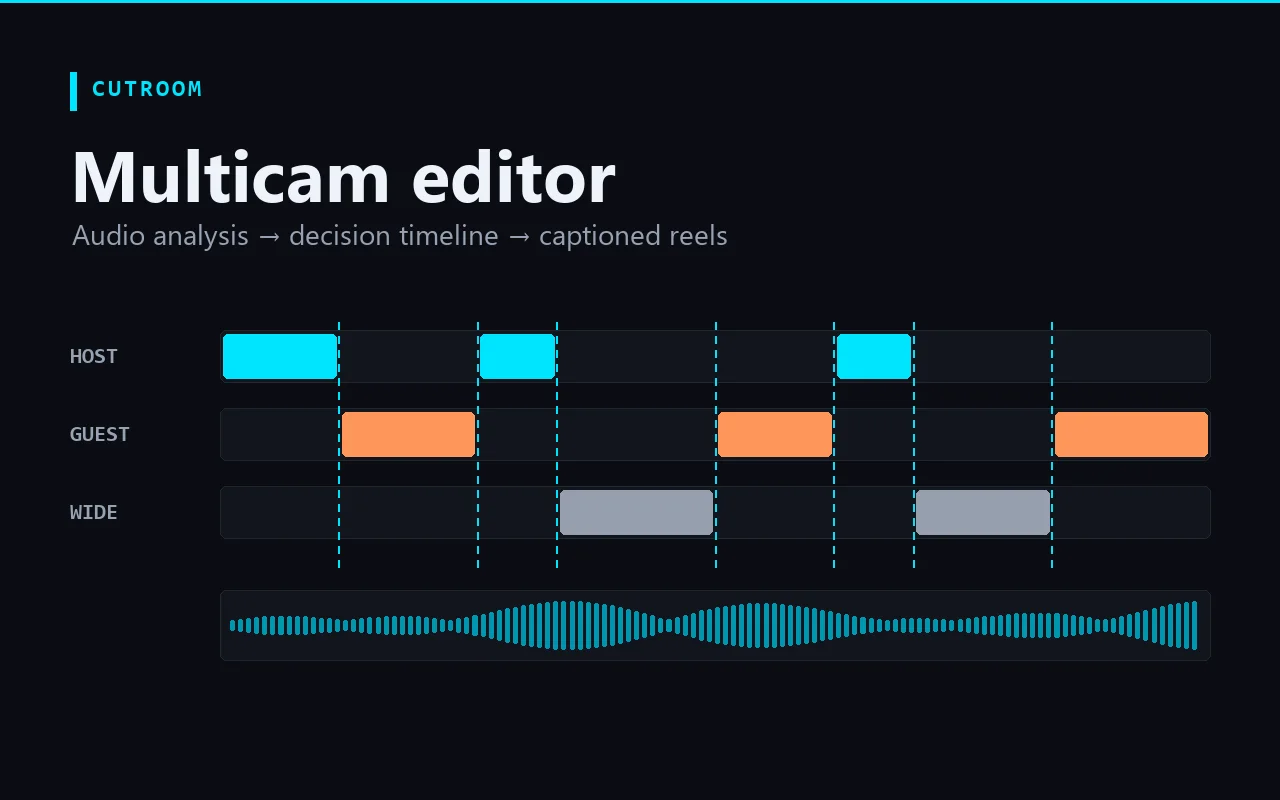
A local, AI-assisted multicam podcast editor I'm building. A Python audio engine reads the separate host/guest tracks and builds an editable cut-decision timeline; an AI recipe and multicam review refine it; then it renders rough-cuts and captioned vertical reels with FFmpeg — all on your machine, no cloud upload.
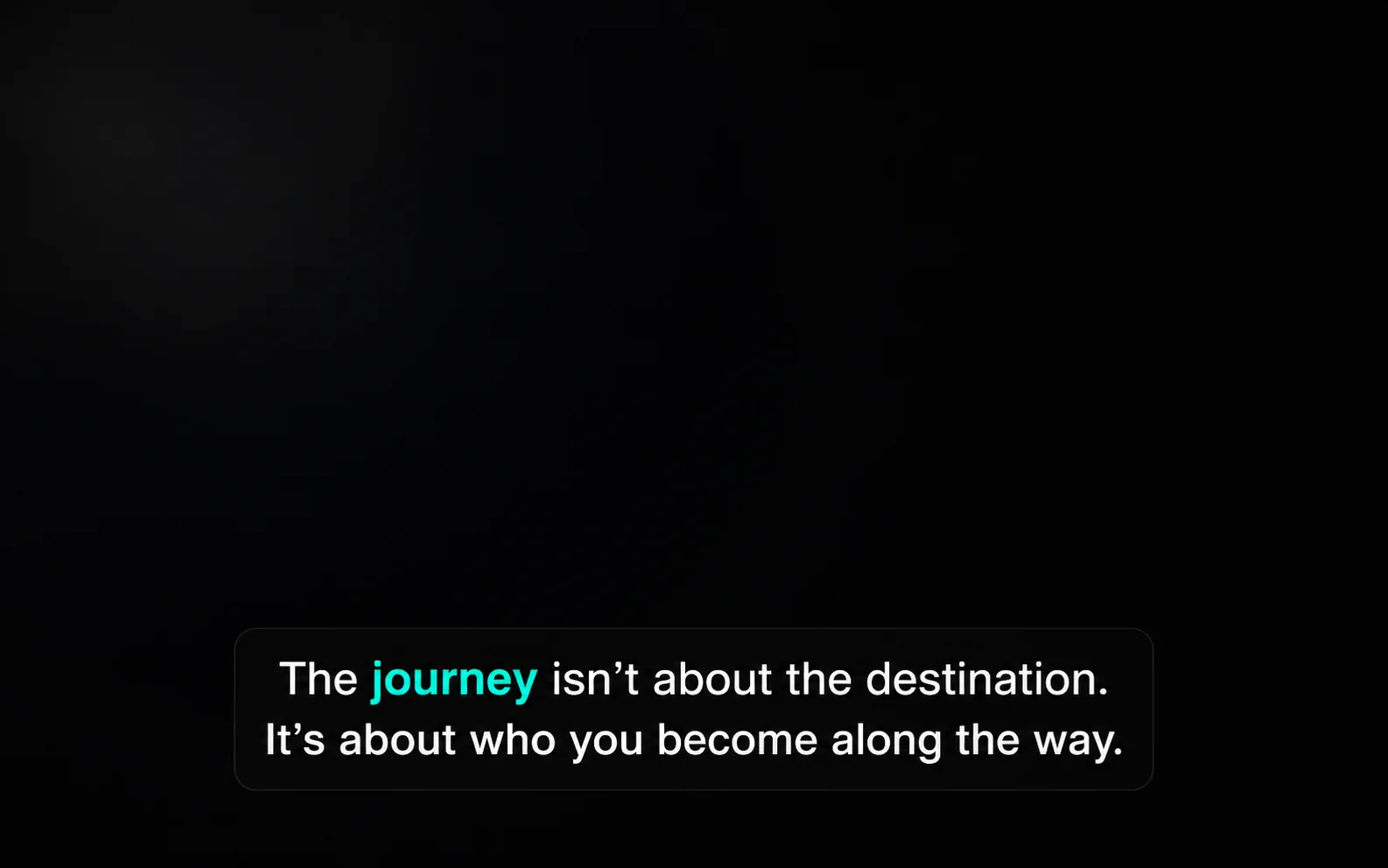
Upload a reel and get back accurate, broadcast-style subtitles as SRT or EDL — ready to drop into any timeline or social platform. The accessibility step most teams skip, automated.
Closes the accessibility gap that kills short-form workflows: every reel gets accurate, formatted captions without a manual transcript pass. Live tool, ready to use.
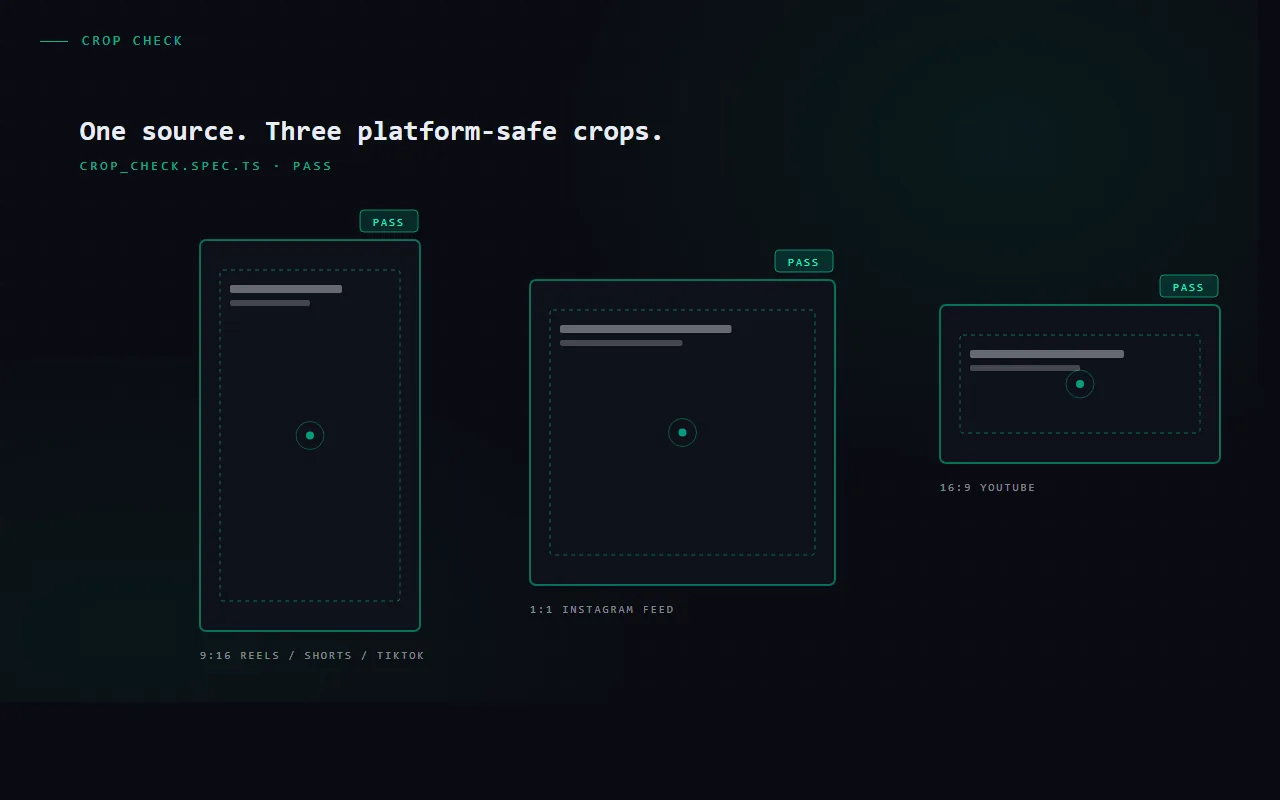
Platform-safe area preview system with deterministic screenshot checks to catch layout breakage before publishing.
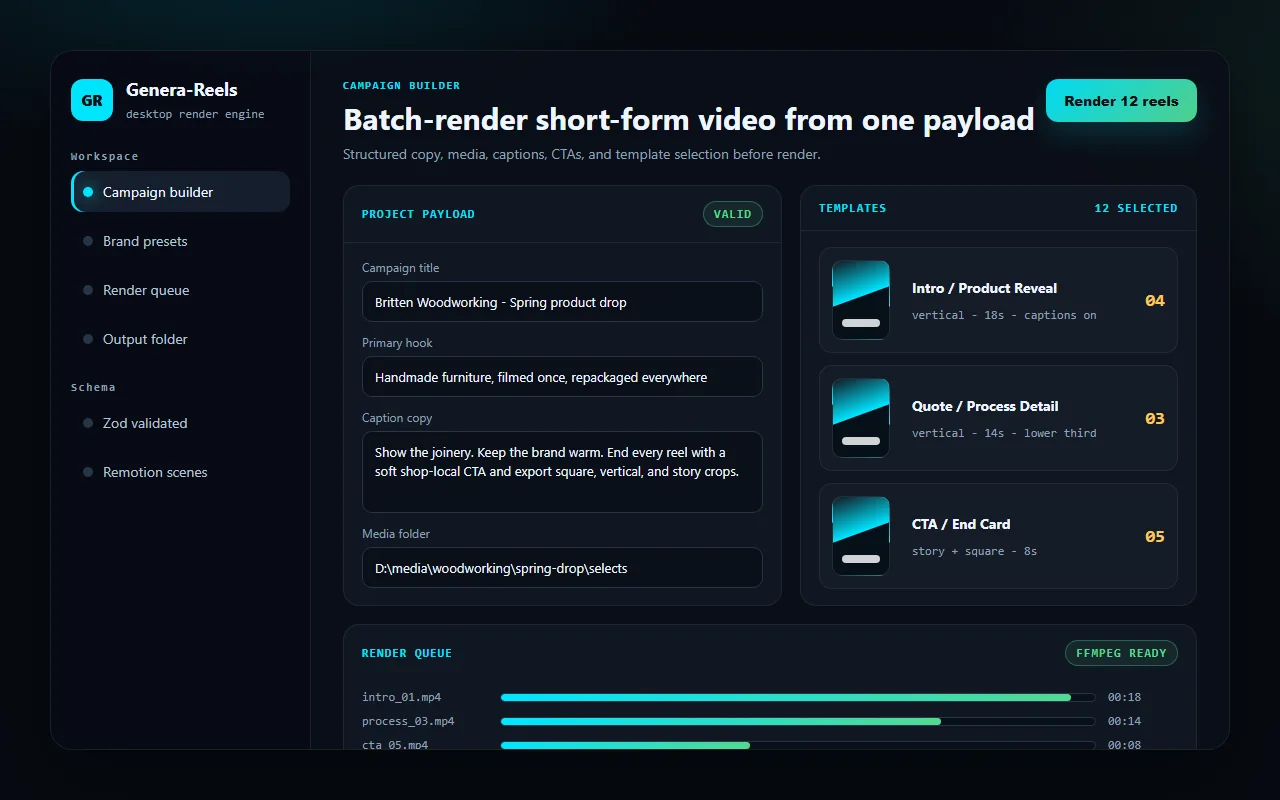
Template-based short-form video rendering tool that consumes payload inputs and emits batch reels with repeatable output quality. Now packaged as a standalone Tauri desktop app — a Rust shell and Python backend that drive Remotion — so anyone can run it without a terminal or browser tab.
Private Repo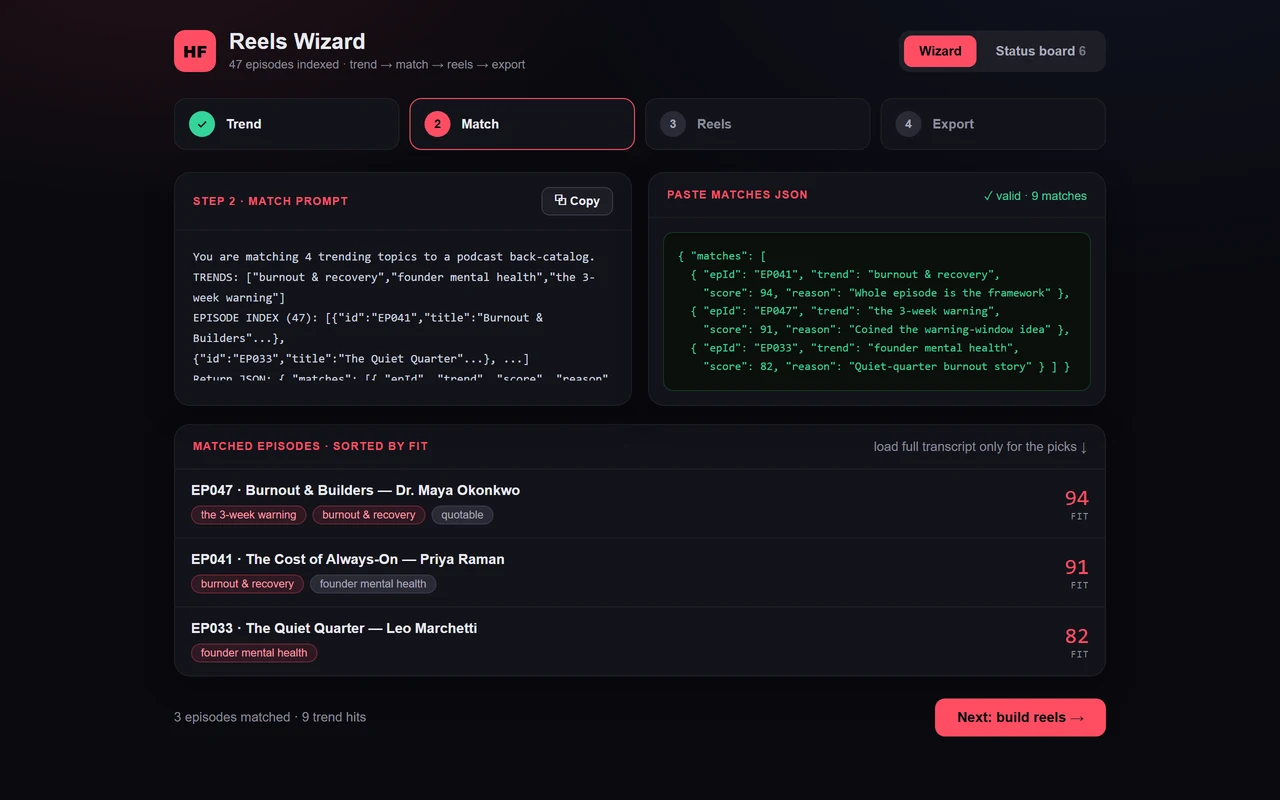
A no-API, copy-paste wizard that turns filmed High Functioning episodes into short-form reels. A four-step flow — trend, match, reels, export — hands a chatbot the right context at each step: it matches on a small episode index first, then loads the full transcript only for the picks, so a prompt never blows past the limit.
Private Repo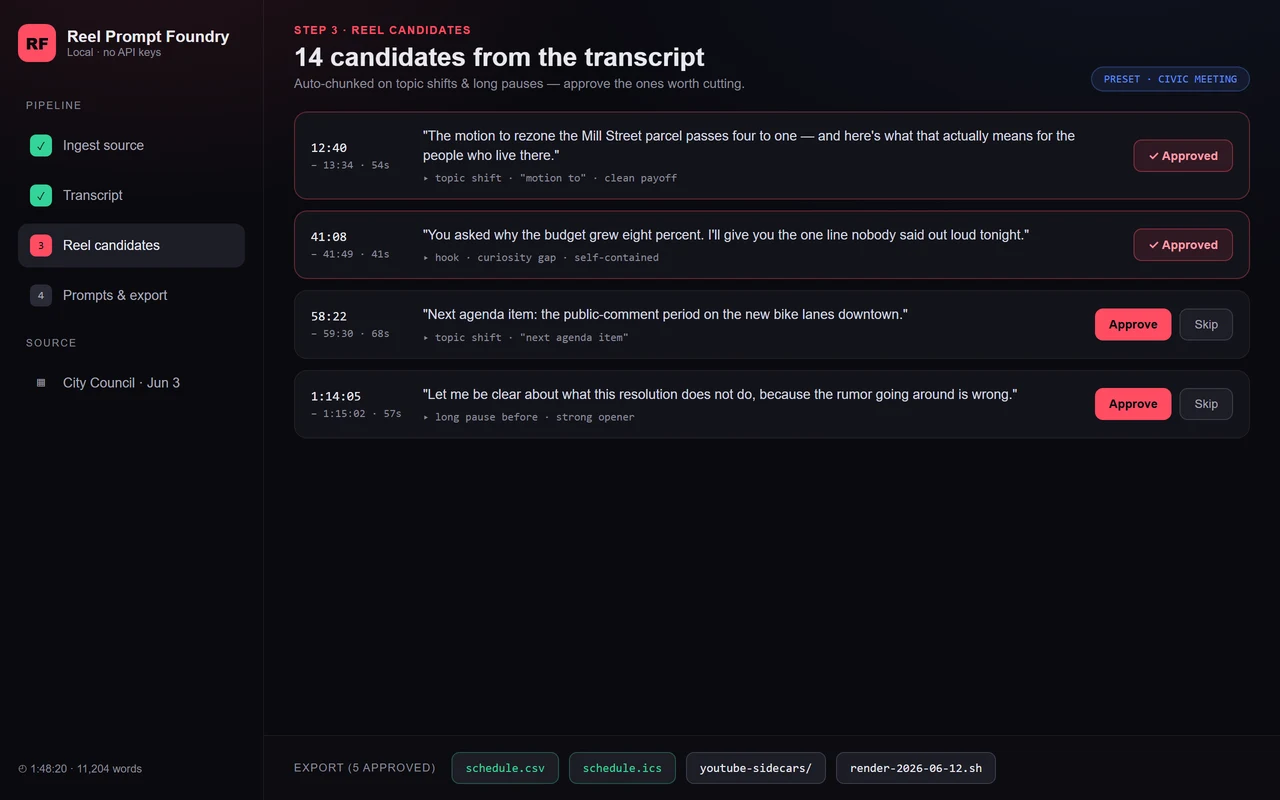
A Tauri + Python desktop app that turns long-form video — town meetings, lectures, sermons, podcasts — into a batch of captioned vertical reels, with no paid AI keys.
Tauri · Rust · Python · React · TypeScript · FFmpeg
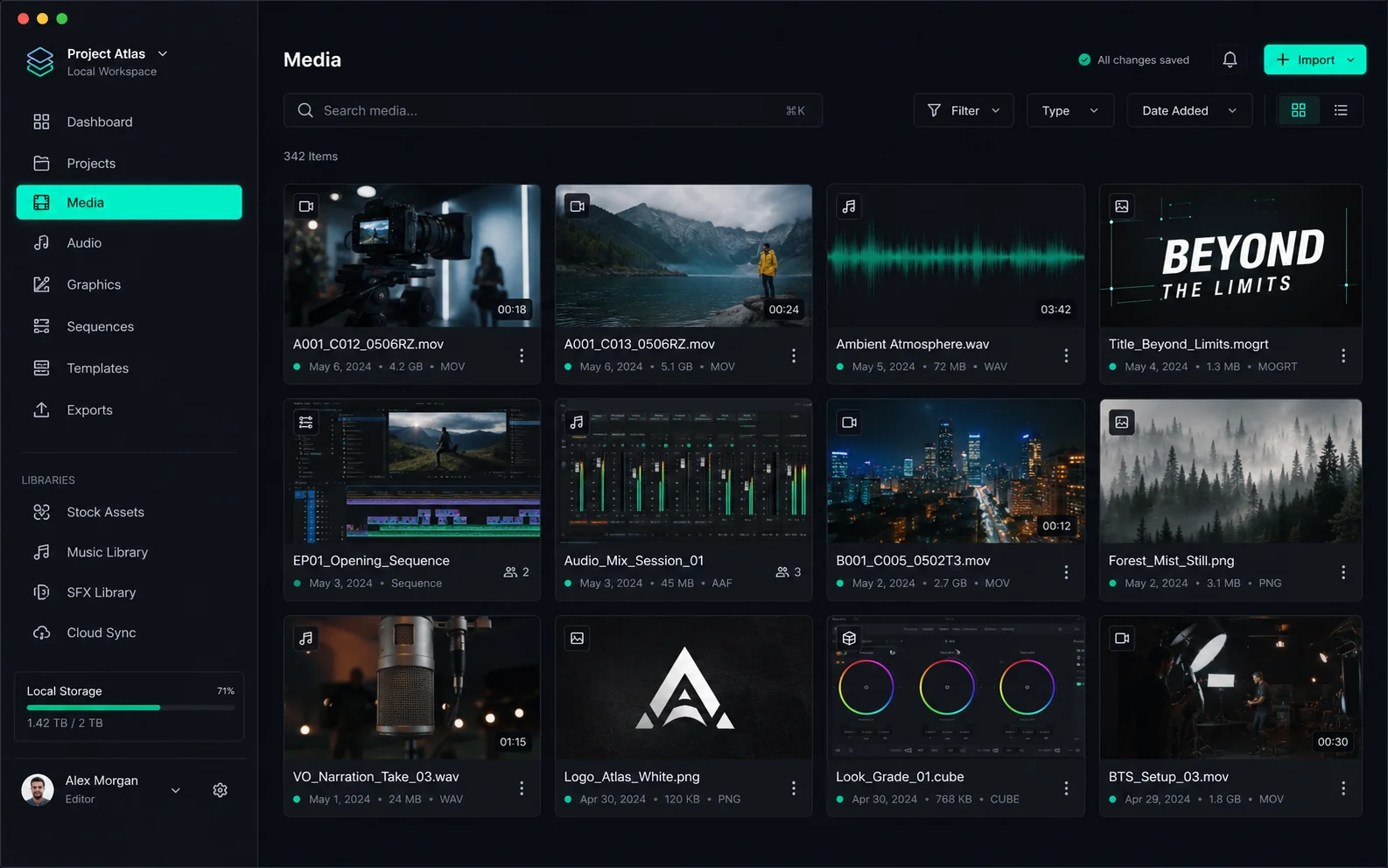
An internal media tool for companies to make their own reels and short-form content automatically — runs in any browser, no install, drag-in assets and get publish-ready output without opening a timeline.
Built as a Tauri desktop app so it feels native but ships small, runs offline, and respects whatever security posture your company already has. Personal project.
Tauri · React · TypeScript

The Remotion engine behind Britten Woodworking's short-form social videos — branded title cards, lower-thirds, photo carousels, captions, and end cards defined as code, so a full set of on-brand reels re-renders from one command when the product or copy changes.
Private Repo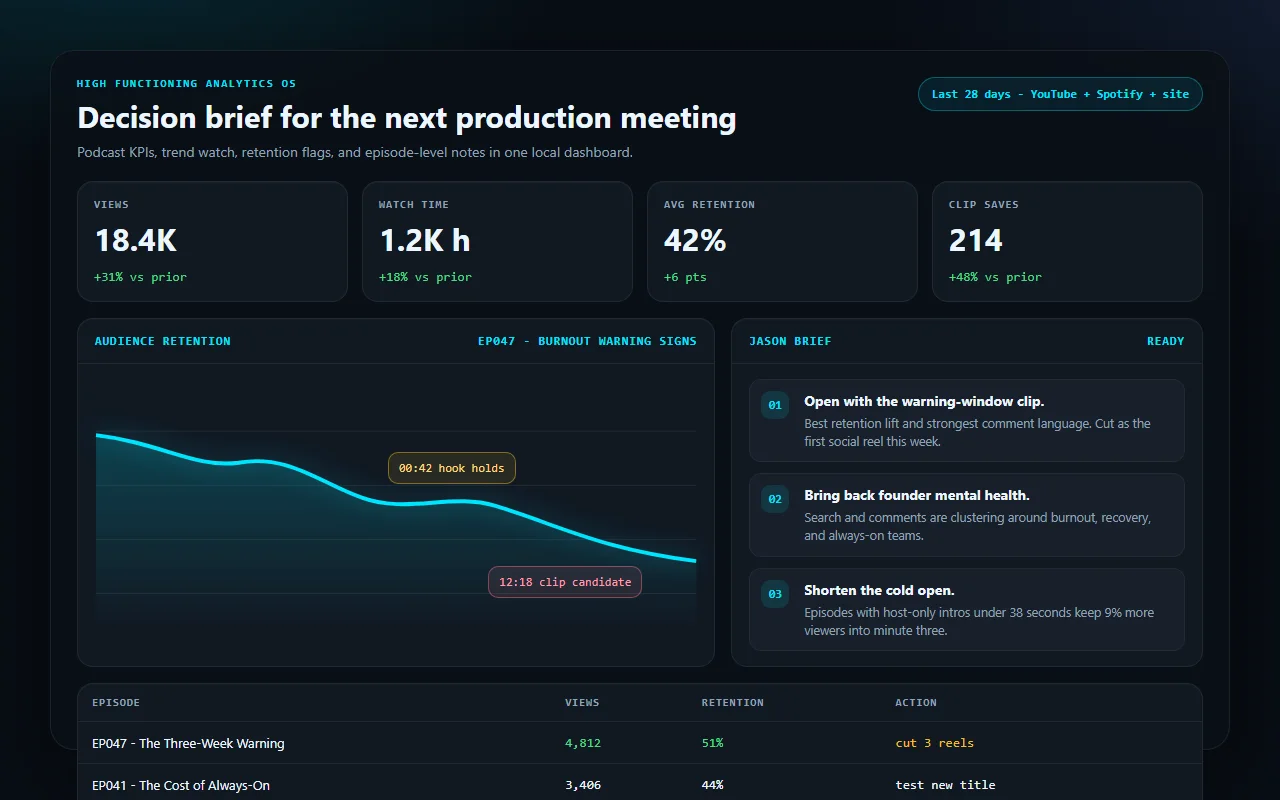
Private, meeting-ready analytics dashboard for the High Functioning / Good Feels team — a decision-ready brief for the host and a deep, verifiable view for production: KPIs, platform breakdowns, trend watch, and keyword search across all 80 episode transcripts. React + Recharts, fully local (no backend, no live APIs).
Small, focused tools built around clear user problems, search intent, and practical decisions.
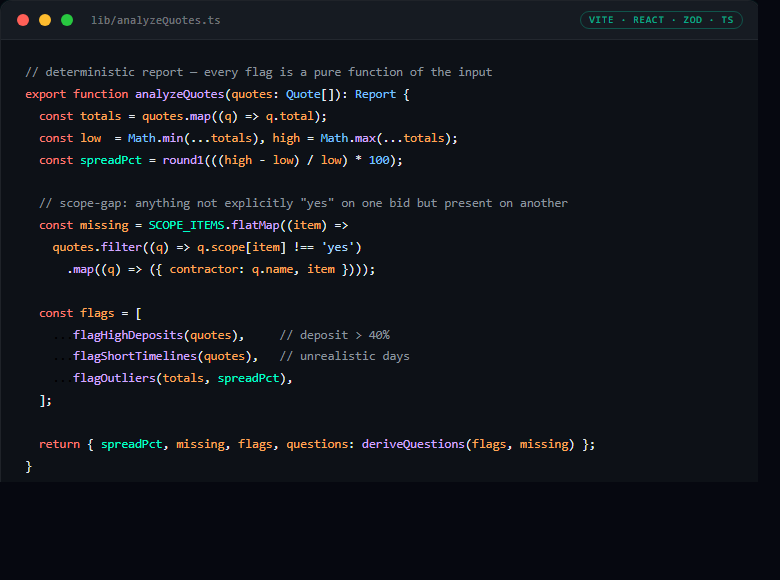
Helps homeowners compare contractor bids side by side, spot scope items one quote quietly left out, and generate the exact follow-up questions to ask each contractor before signing.
Deliberately no AI — every flag is a pure function of the structured input, so a homeowner can trust the arithmetic. Runs entirely client-side; nothing leaves the browser. Ships with security headers, an origin-locked API, and a privacy page.
Vite · React 19 · TypeScript · Zustand · Zod · Vercel
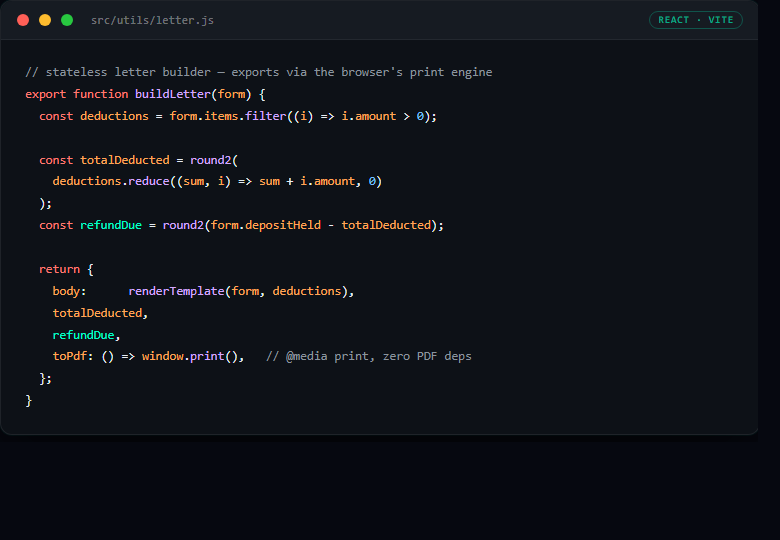
Helps self-managing landlords generate a professional, itemized security- deposit deduction letter with the math done correctly — the #1 way landlords lose small-claims disputes is getting this wrong.
A deliberately zero-backend build with edge security headers, a strict CSP, and a published privacy policy. Live at depositletter.com.
React 19 · Vite · @media print · Vercel
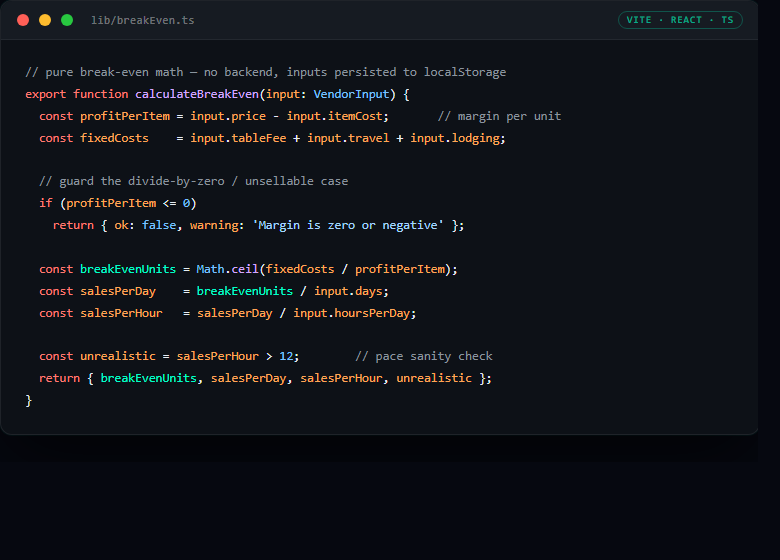
Tells anime convention vendors how many prints, charms, stickers, or commissions they need to sell to cover their table before they profit — with live sales-per-day and sales-per-hour targets.
Mobile-first one-page dashboard with a sticky desktop result panel. All math is client-side with divide-by-zero guards — no backend, no account, no tracking.
Vite · React · TypeScript · Tailwind CSS · Vercel
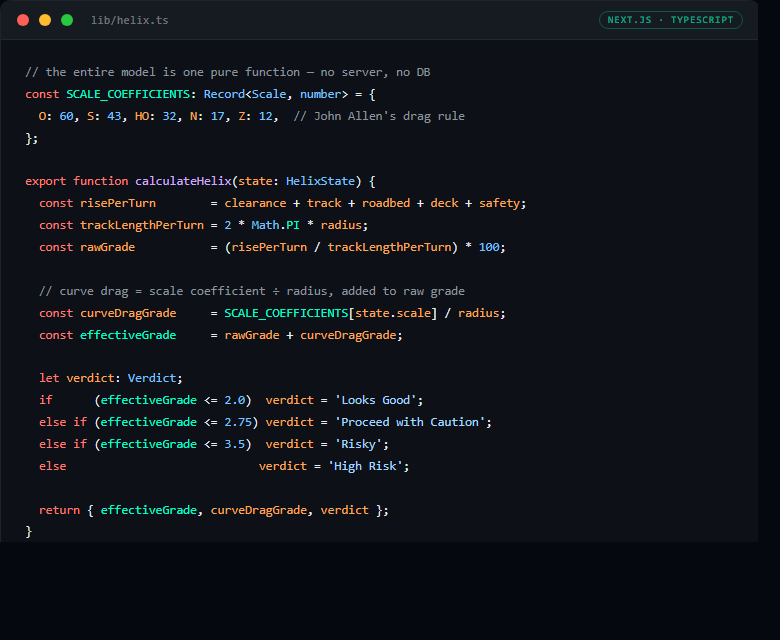
A model railroad helix risk checker. It walks five risk dimensions for any helix design in O, S, HO, N, or Z scale and returns a plain-English verdict — from Looks Good to High Risk — before you cut wood.
All math runs in the browser — no server, no database, no account. Inputs serialize into the URL, so a design shares with a single link. Verdict thresholds are calibrated against published model railroad guidance, and the site ships with a glossary, FAQ, gear checklist, and three worked example builds.
Next.js 14 App Router · React · TypeScript · Tailwind CSS · Vercel
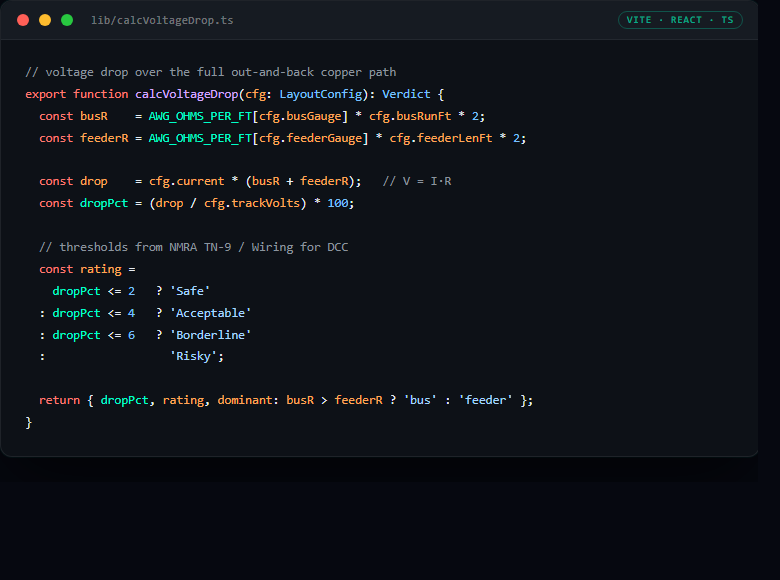
A voltage-drop calculator for model railroaders. Type your scale, bus wire, and feeder plan and get a Safe / Acceptable / Borderline / Risky verdict before you solder a single rail. Built after a weekend of chasing stalls that turned out to be an undersized 16 AWG bus.
Per-scale SEO pages (N, HO, O, G) share one JS bundle for instant navigation, and it prints to a clean black-and-white workbench worksheet. Client-side only — no backend, no accounts, no analytics.
Vite · React · TypeScript · SEO · Vercel
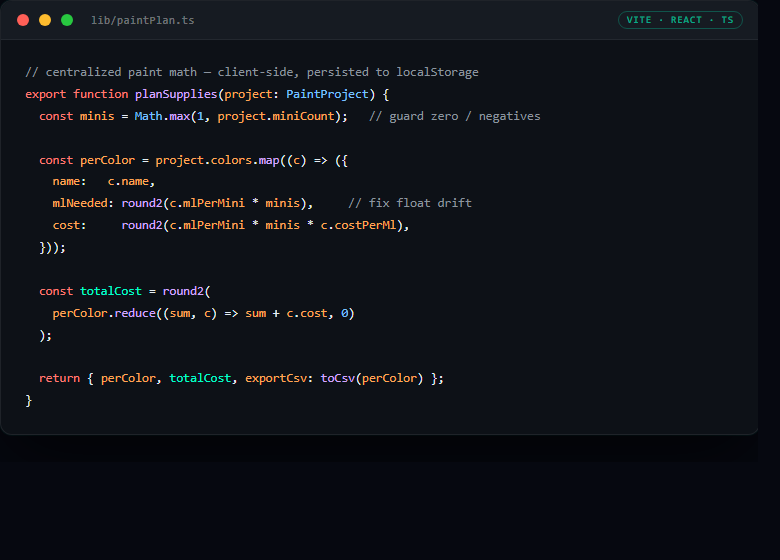
Detects the main colors in a reference image, then builds a miniature- painting supply list — how much of each paint you need and what it costs — before you buy.
A calm, warm-paper tool feel. Runs entirely client-side with your inputs saved in the browser — no account, no backend.
Vite · React · TypeScript · localStorage · Vercel
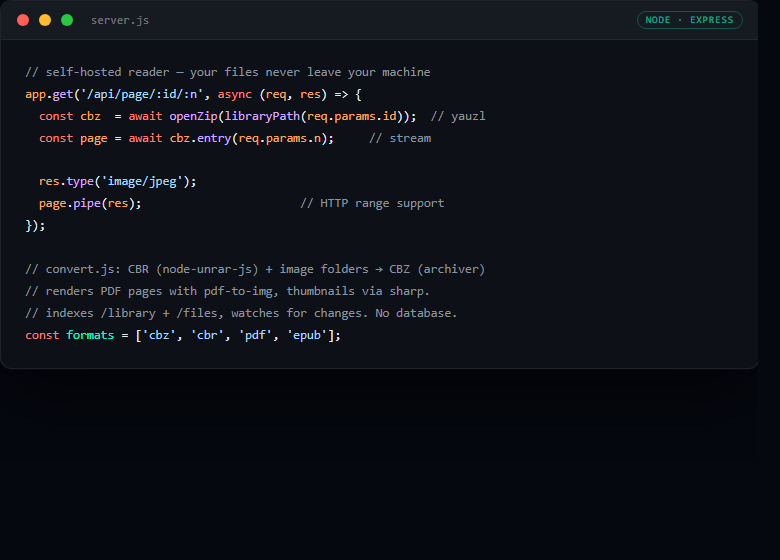
A self-hosted reading library for comics, manga, PDFs, and EPUBs that runs on your own machine and streams to any browser on your home network — your files never leave your device.
Express server that indexes your files, streams comic pages from CBZ, renders PDF pages, and generates thumbnails. No cloud, no accounts, no database. A personal project — runs locally, so there's no public site.
Node.js · Express · PWA · sharp · pdf-to-img
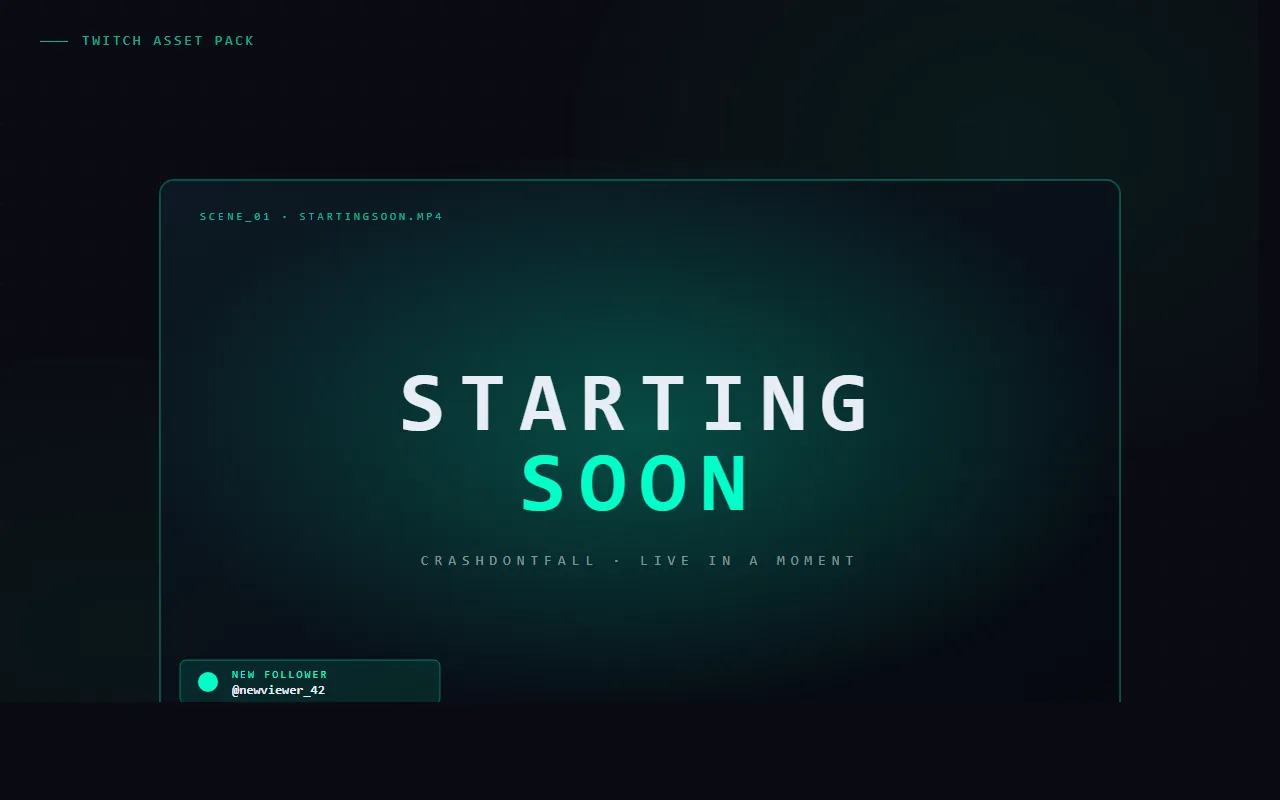
A Remotion render pipeline that programmatically generates a full broadcast kit for a Twitch channel — starting-soon and intermission scenes, animated follower / sub / raid alerts, a stinger transition, and info panels.
Every asset is defined as code, so the whole pack re-renders on a single command when the brand changes. Built for the "crashdontfall" stream as a personal project — no public site, it outputs video and image files.
Remotion · React · TypeScript
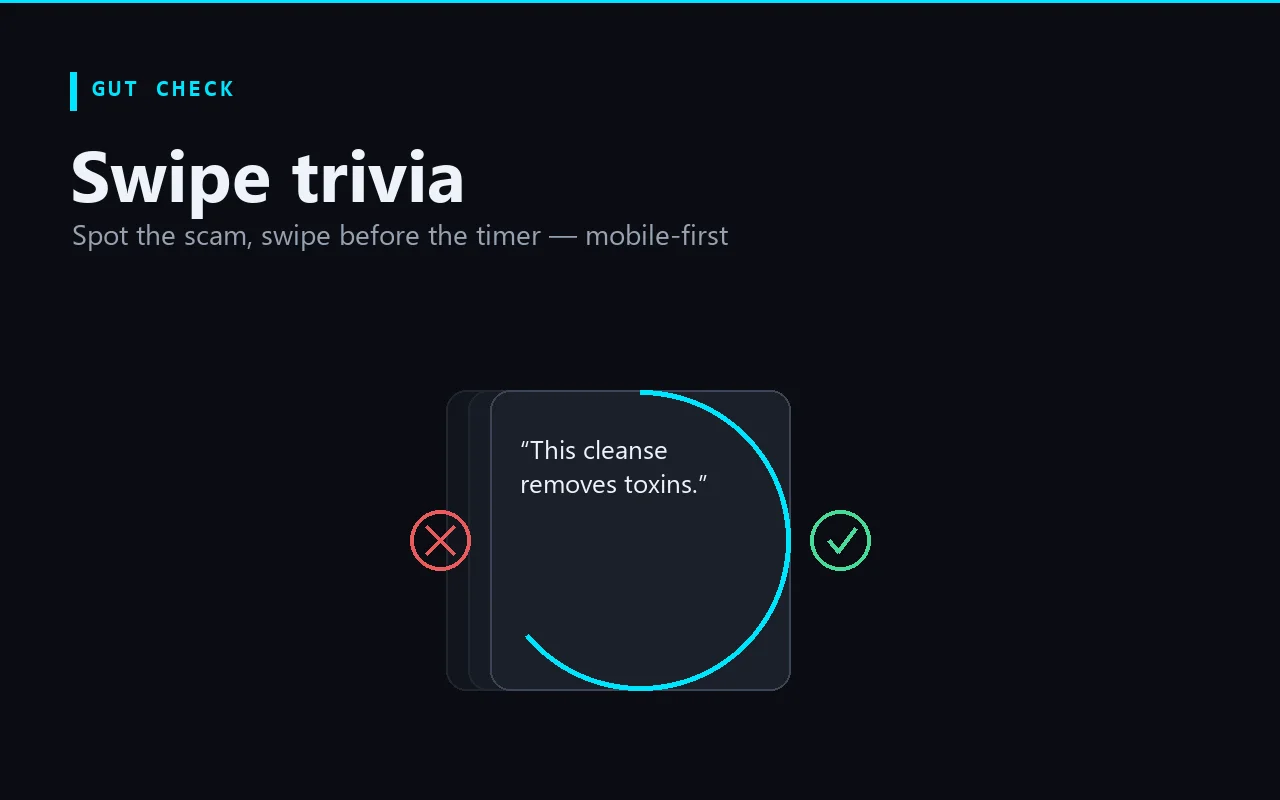
A fast, mobile-first swipe-trivia game — read a claim, spot the scam, and swipe before the timer runs out. Local profiles, streaks, and achievements, all in the browser with no backend. React, built for fun.

A retro tavern-themed video-poker mini-game — hold and draw for the best hand, with confetti payouts and a hand-evaluation test suite. React, built for fun.
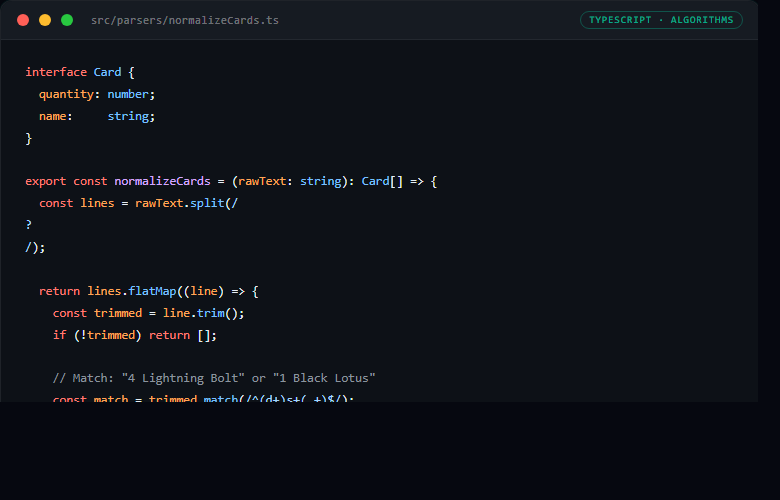
Browser-based combinatorial analysis tool for opening-hand consistency and mulligan decision support.
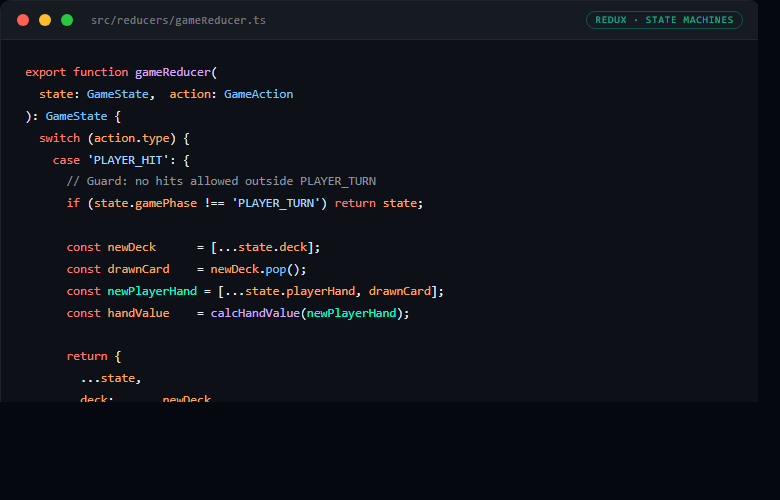
Reducer-driven game state machine built to enforce explicit transition rules and avoid hidden state drift bugs.
Drone, real estate, brand, and client work that shaped the production skills behind the current media systems.
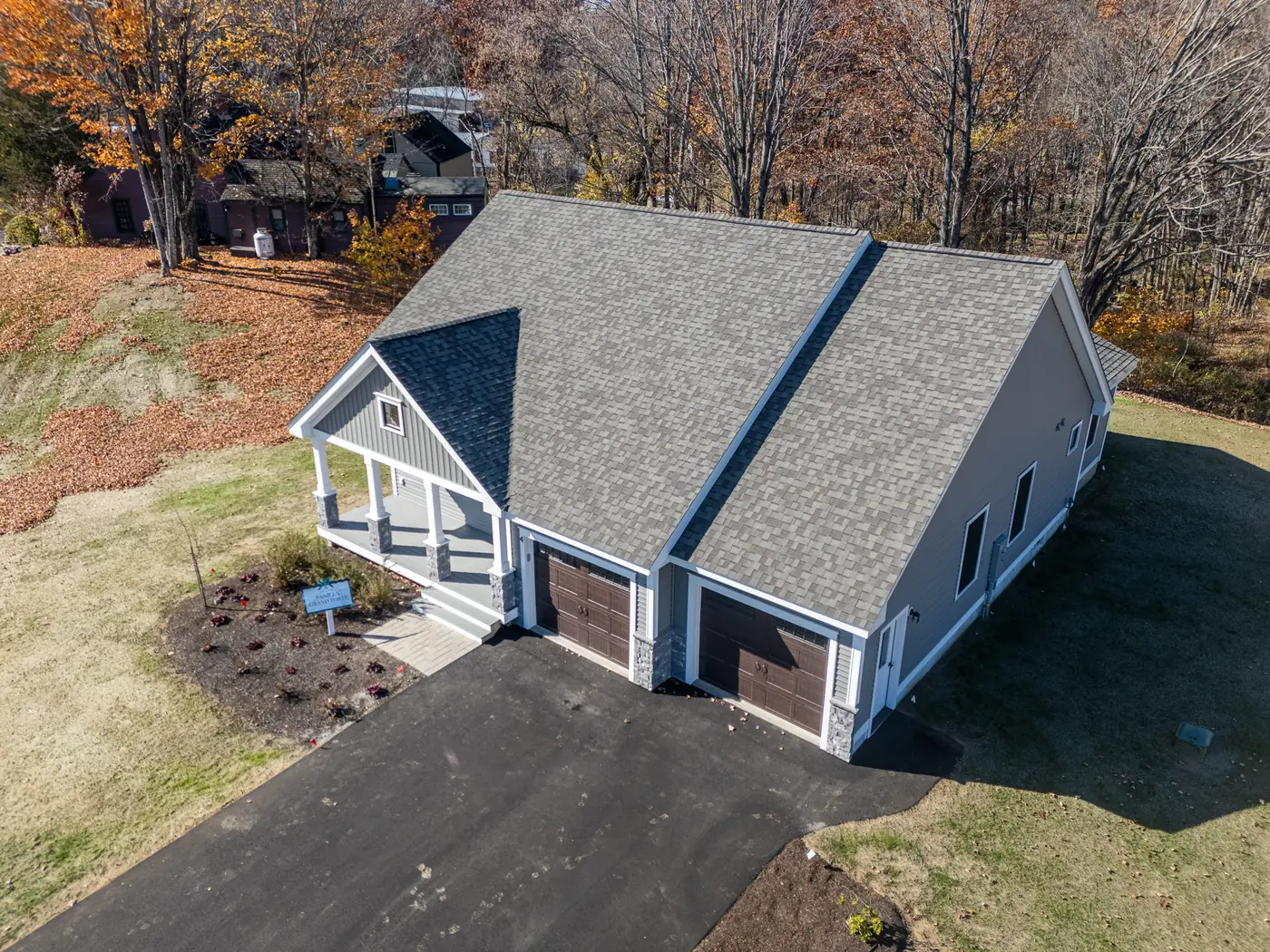
FAA-licensed drone photography and real-estate media for clients in Massachusetts — aerial stills, listing videos, and the full Next.js site that delivers them. Fast turnaround, repeatable workflow.
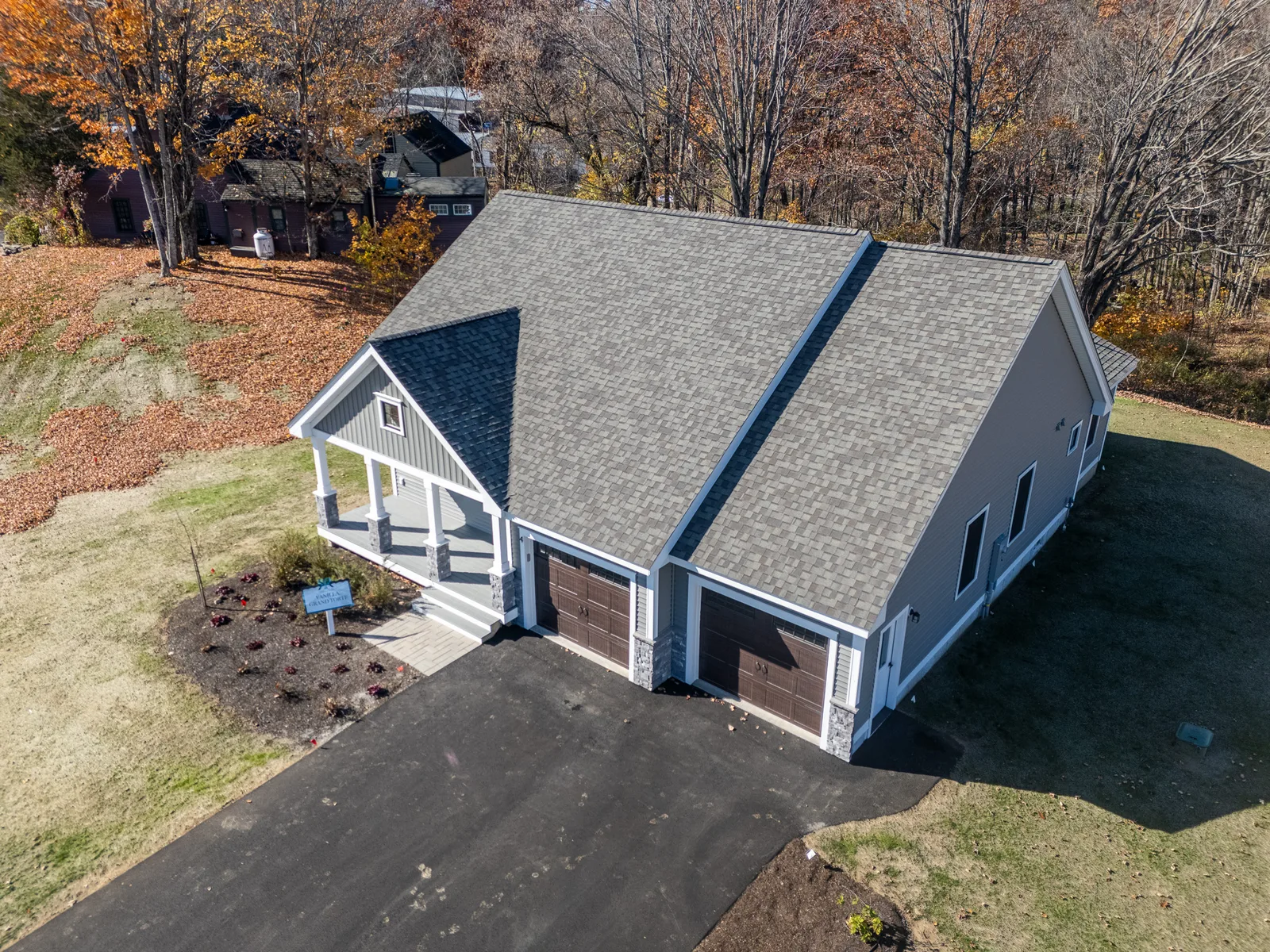
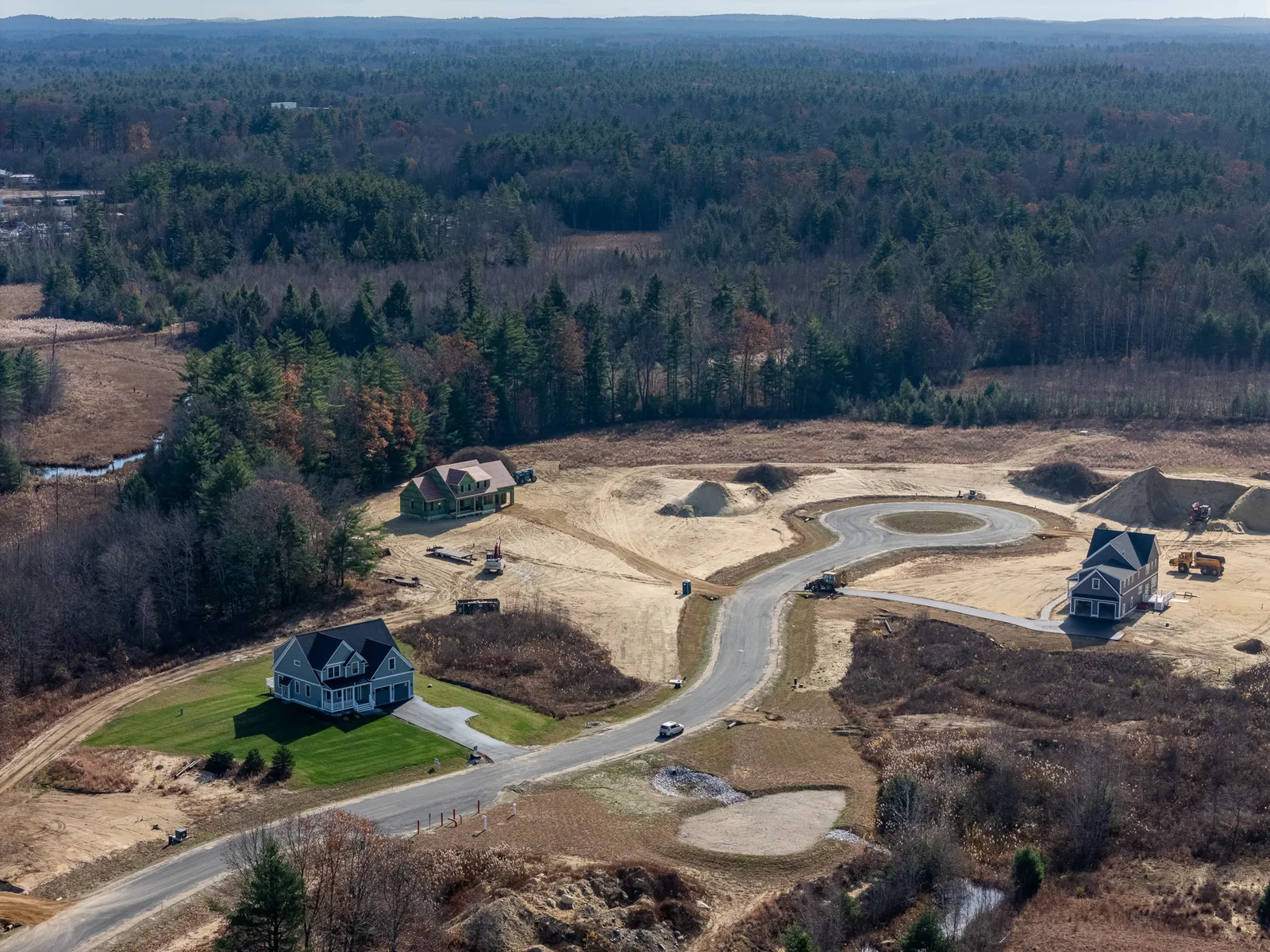
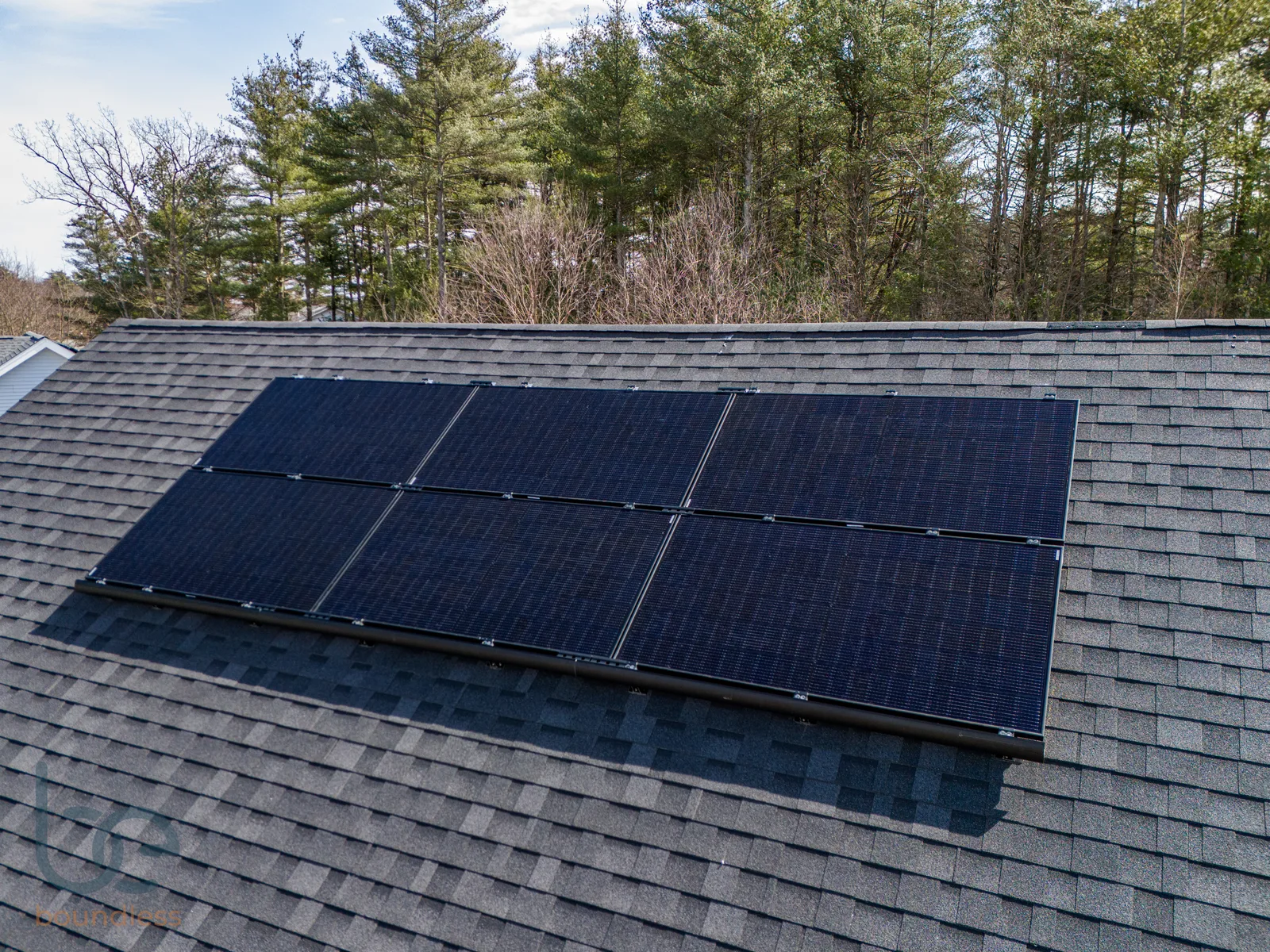
Real production credit, real clients, real turnaround. Based in Peabody, MA — built for the brokers and developers who need media yesterday, not next week.
FAA Part 107 · Next.js 14 · Vercel
Need someone to run, fix, or scale your media production?