Case Study · Media Production
80+ episodes with a two-person team.
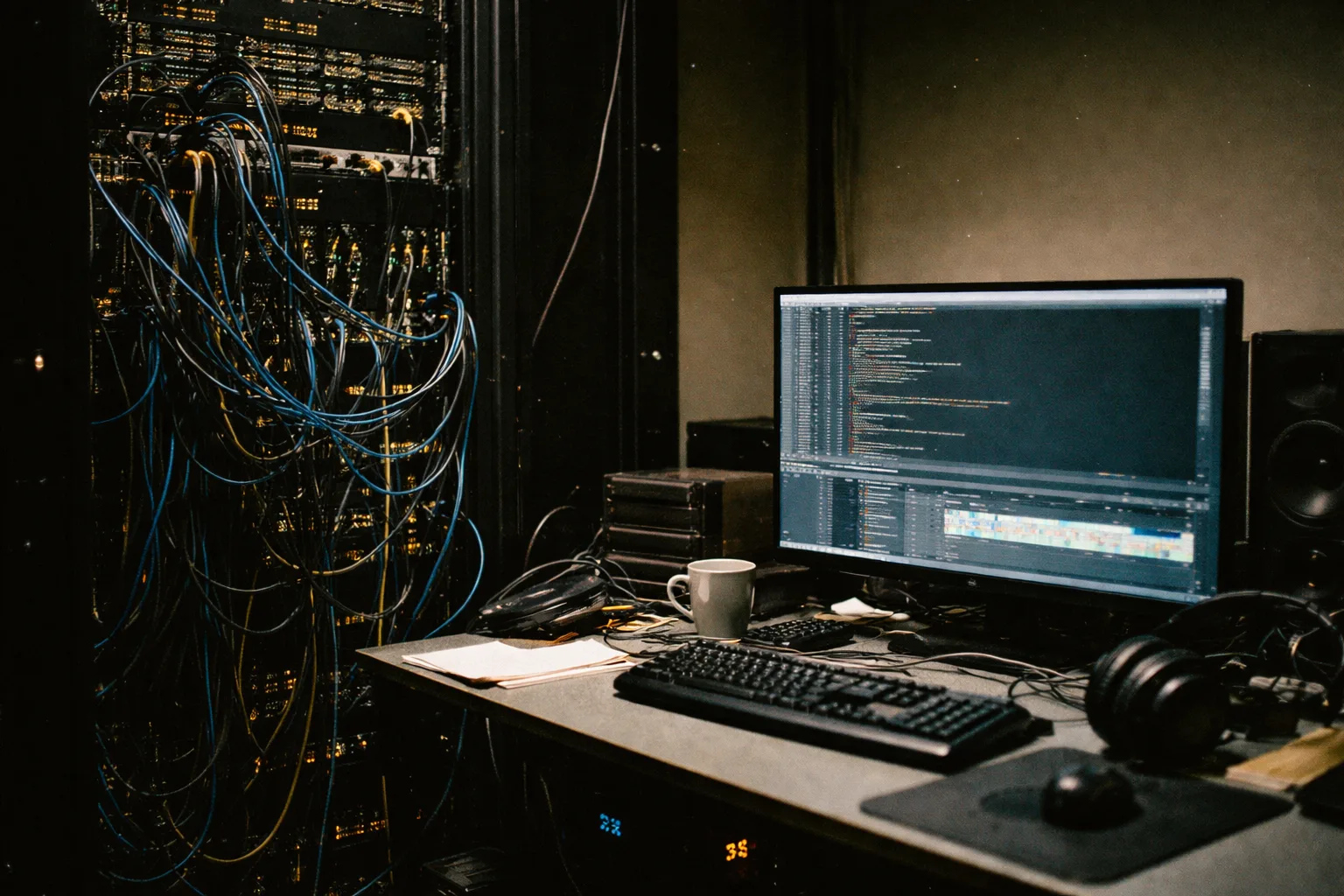
How the High Functioning Podcast grew from 41 monthly views to a 31K+ peak — by treating production and systems as one job, not two. Still shipping weekly.
About the show
"Real Conversations Beyond the Highlight Reel."
High Functioning is a B2B operator-focused podcast hosted by Jason Reposa — founder & CEO of Good Feels, a Massachusetts cannabis-beverage company. Single-guest, 55-to-75-minute sit-downs with entrepreneurs, operators, scientists, and regulators about what it actually takes to run a business in a heavily regulated industry — real numbers, real playbooks, real failure stories.
Released weekly as both audio and YouTube video. Cannabis industry by subject, but the work is production: long-form interview production, tactical packaging, and the pipeline behind it.
The problem
The show was slow, inconsistent, and not growing — and the team couldn't fix any of that by working harder.
Every episode was a fresh manual edit. Output quality drifted between releases. Caption passes got skipped under deadline. Social clips shipped days late, if at all. The result was a 41-views-per-month audience and a two-person team that already felt overextended just keeping the recording cadence.
Booking better guests wouldn't solve it. Posting more wouldn't solve it. The bottleneck was that nothing about post-production was repeatable.
What I do on the show
I support the show across production, editing, captions, social packaging, graphics, and analytics review — and built the pipeline around that work so the next episode takes a fraction of the time of the last one.
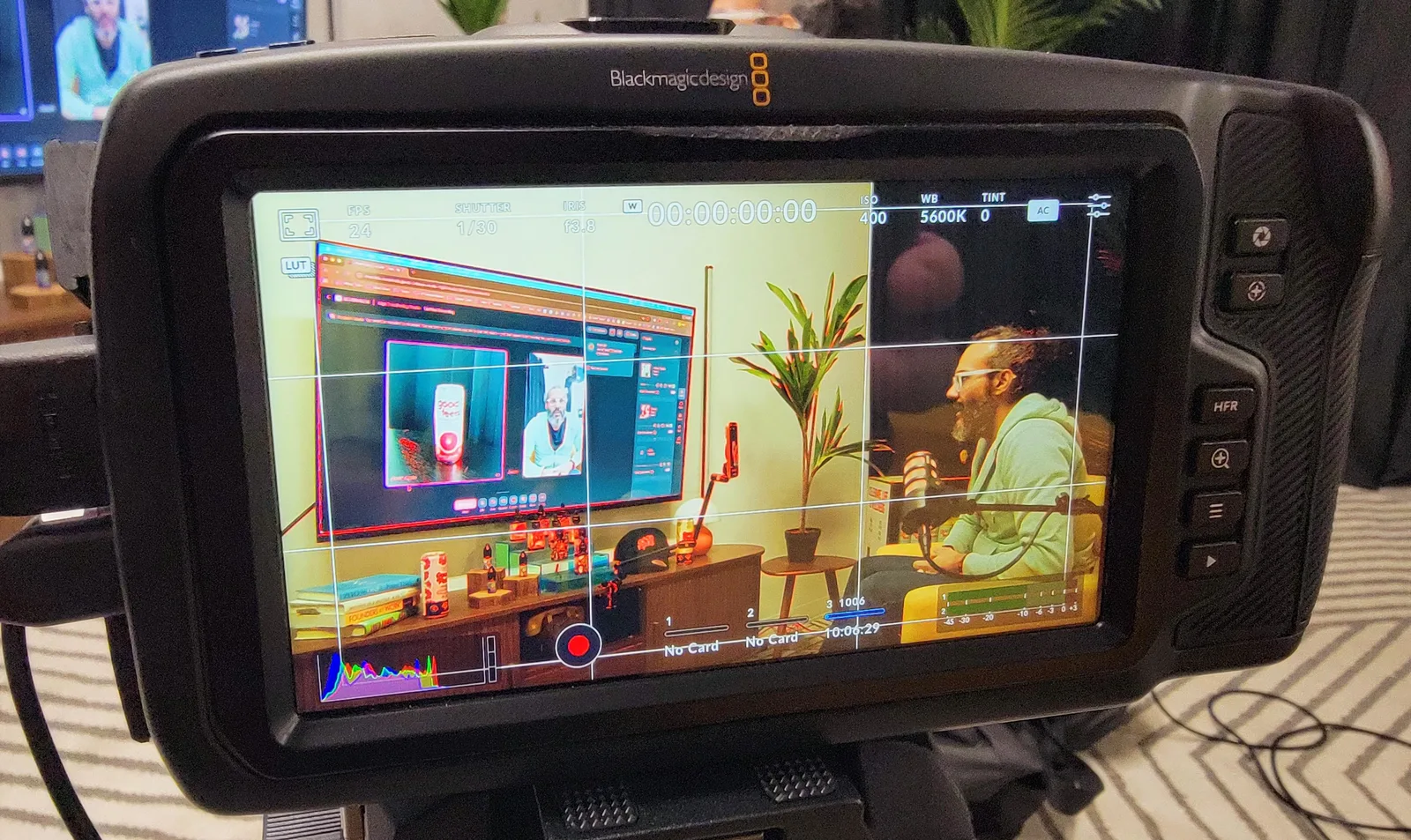
- Booking & producing — guest outreach, scheduling, pre-interview, run-of-show.
- Editing & mixing — multi-camera cut, color pass, full audio post on every episode.
- Captions & accessibility — caption pass and subtitle QC on every release.
- YouTube packaging — thumbnails, titles, social clips, end screens — the publish-side work that converts views into a growing channel.
The pipeline I built
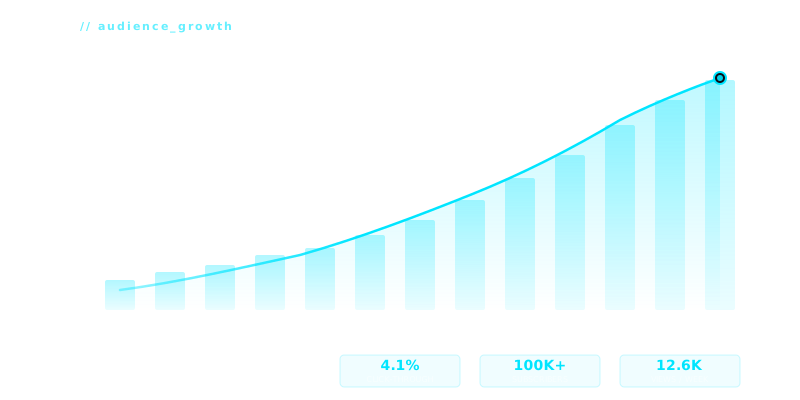
A React + Remotion render architecture that turns a raw episode into publish-ready output with fewer repeated timeline rebuilds.
-
01
Transcript ingestion
The raw transcript is the source of truth. Once an episode is recorded, its transcript flows into the pipeline as structured data, not a Word doc someone has to read.
-
02
Schema-validated render contracts
Every render input — episode meta, segment timing, guest name, on-screen copy — is validated by a Zod schema before anything renders. A single typo doesn't ship a broken episode; the pipeline rejects it before it costs an hour of waiting.
-
03
Programmatic clip rendering
The Remotion compositions take transcript segments and render them into captioned social clips — Instagram, TikTok, YouTube Shorts cuts produced from one source pass instead of three manual edits.
-
04
Template-driven lower-thirds & graphics
Guest lower-thirds and broadcast overlays render from the same data — no After Effects render queue, far less per-episode hand-build. The graphics layer scales with the show because it cuts the repetitive per-episode labor.
The result
What I personally did
As part of the two-person production team: editing, captions, clips, motion graphics, YouTube packaging, booking and guest logistics, and the transcript-to-clips render pipeline. Growth was a team outcome — I helped support it by making production consistent and repeatable.
Why this matters for the next role
Most media teams treat production and systems as two different jobs. That split is exactly what creates the slow-and-inconsistent loop the High Functioning Podcast was stuck in — a small team can only edit so many timelines, and adding people only buys more drift.
The throughline of this case is that it took both: real production hands on every episode, and the system that took the repeatable parts off those hands. The 304K+ lifetime-view number is the proof, but the operational story is the actual asset — a published-on-schedule show that grew with a two-person team because the pipeline absorbed the repetitive work.
That's the shape of media operations I want to bring to a higher-ed media department, a healthcare training group, a podcast operation, or an L&D team: produce the work to a real standard, then build the system that makes the next round faster.